

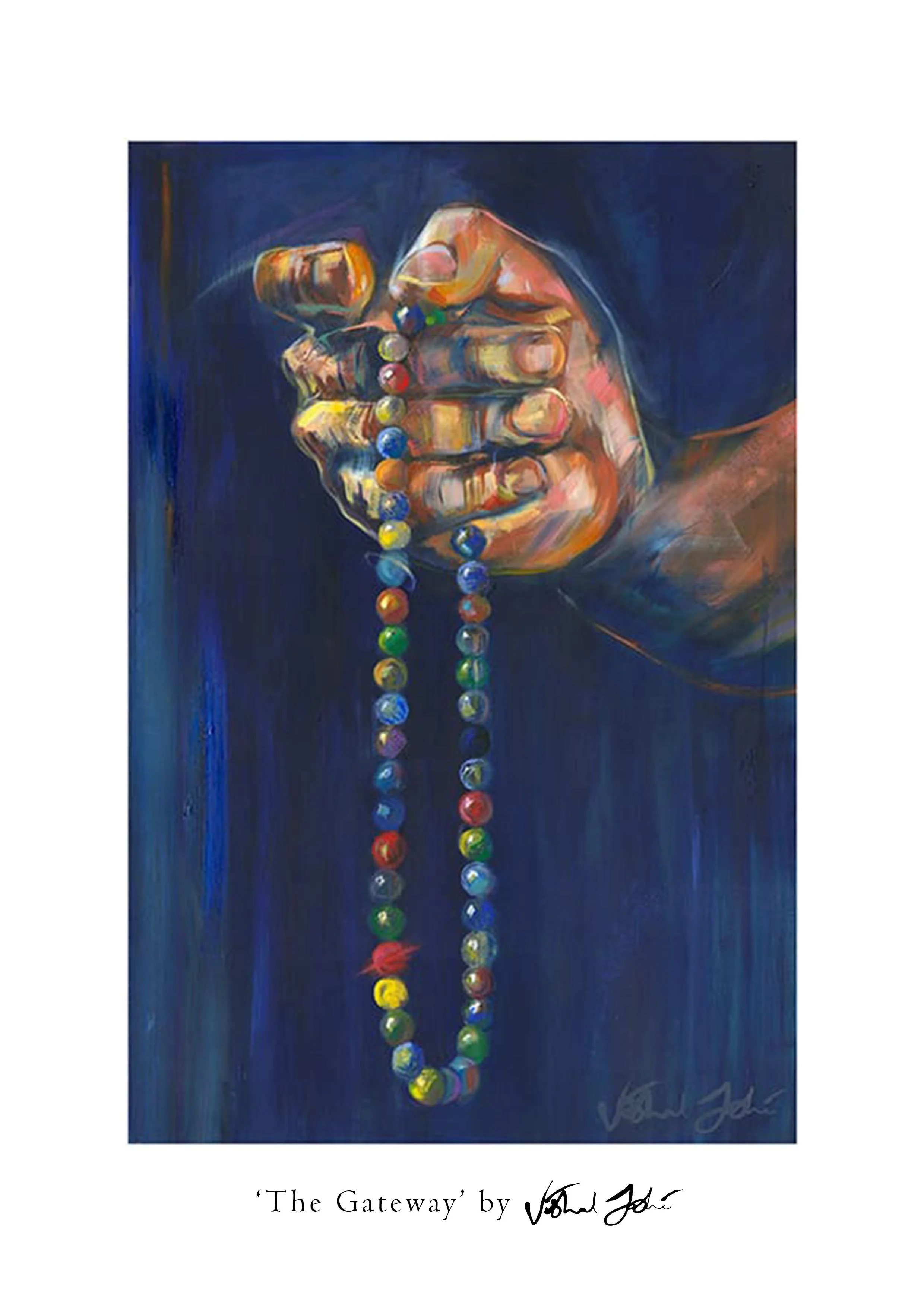

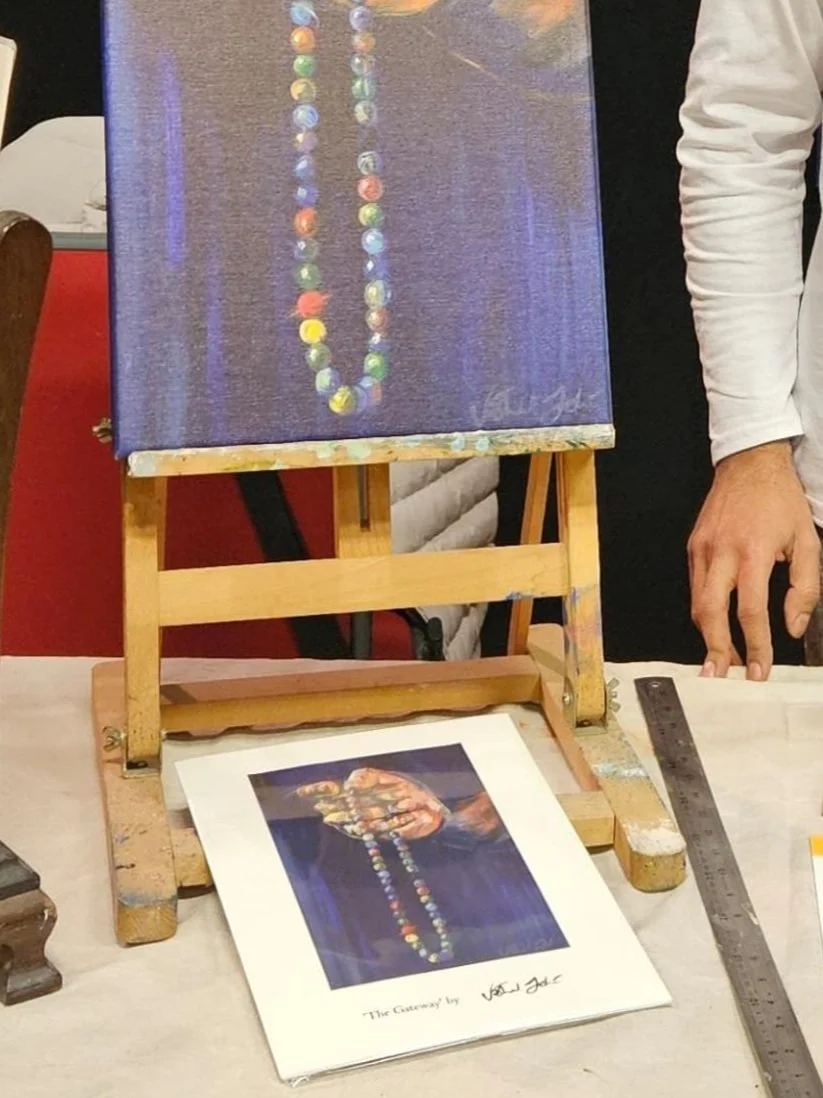
A giclée print is a fine art print created using a high-resolution inkjet printer, known for its high quality, longevity, and vibrant color reproduction, often used by artists and photographers.
Here's a more detailed explanation:
Origin:
The term "giclée" (pronounced "zhee-clay") is derived from the French word "gicleur," meaning "to spray," referring to the way inkjet printers spray ink onto paper.
Printing Process:
Giclée prints are created by spraying microscopic dots of pigment-based ink onto archival-quality paper or canvas.
Quality and Longevity:
Giclée prints are known for their exceptional quality, capturing the essence of the original artwork with incredible detail and vibrant colors. They are printed with archival inks on museum-quality materials, ensuring long-lasting color and brightness.
Fine Art Reproduction:
Giclée printing is a popular method for artists and photographers to create high-quality reproductions of their work, offering a high level of detail and color accuracy.
Materials:
Giclée prints are typically printed on specialized, acid-free, archival paper, which ensures their longevity.
Versatility:
Giclée prints can be used to reproduce various types of art, including paintings, photographs, and digital artwork.
Artist Control:
Artists have more control over the final product with giclée printing, as they can approve the colors, details, and composition before the print is made.
Difference from Digital Prints:
While both giclée and digital prints are produced using digital technology, giclée prints adhere to specific standards for resolution, paper, and ink quality, ensuring a higher level of quality and longevity.